Friday, September 30, 2022

Op-Ed: (On Concussion) Miami, We Have a Problem!


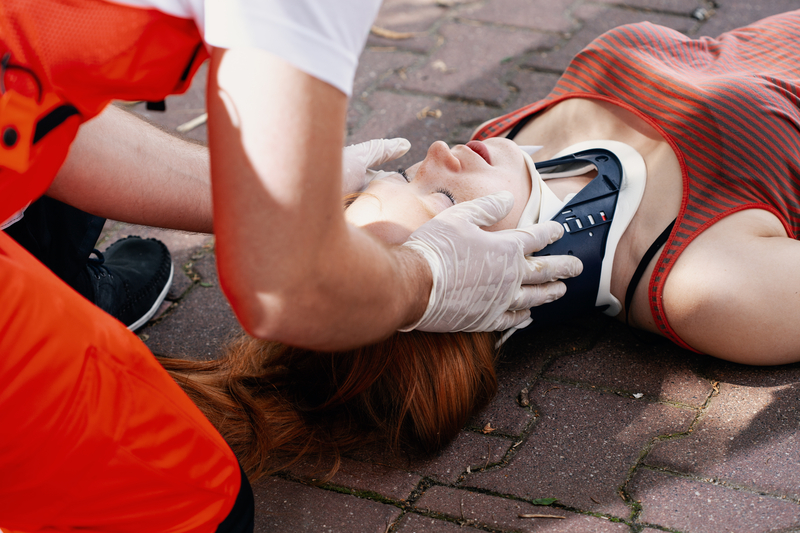
9/25/2022 - The Miami Dolphins prized quarterback Tua Tagovailoa sustained what was clearly a concussion.  He was dazed and in trying to walk off the field, staggered and nearly collapsed.  He was helped off the field and taken into the injury evaluation tent.  You didn’t need to be a neurologist to see that he was shaken from hitting his head on the ground.  


Incredibly, the QB cleared the NFL Concussion Protocol and to everyone’s surprise, was allowed to play in the second half of the game.  Many questions were raised about the injury following the game and everyone from the Dolphins coach, to their staff to Tua himself seemed to blame the entire incident on a back injury he said he sustained earlier in the game.


The NFL Player’s Association publicly announced that they were investigating the Dolphins/NFL handling of the entire incident.   https://sports.yahoo.com/nflpa-initiates-concussion-investigation-after-wobbly-tua-tagovailoa-continued-playing-vs-bills-235433110.html


Then, the unthinkable happened.  The Dolphins were scheduled to play again just four days later and they announced that Tua would be the starter.  He came out Thursday night looking great until a play where he was thrown to the ground again.  His head bounced off the ground and he immediately went into what appeared to be a decorticate posture.  His body flexed as he appeared to lose consciousness and his arms, hands and fingers became stiff and distorted - indicating a severe trauma to the brain.


He was immediately stabilized and taken off the field on a stretcher to be evaluated at a local hospital.  Accusations have been flying and denial is the word of the day.  What is clear is that we must do better.  


With the knowledge that concussions are linked to chronic neuroinflammatory changes and more recently to neurodegenerative disease, we must do better.  Tua is a professional athlete in arguably the most violent sport there is.  He is tough... a modern day warrior.  He is also a very young man competing on the biggest stage in the world with fame and fortune on the line.  He must be protected, even if that means from himself.  


Watch the progression of the injuries here:

https://www.youtube.com/watch?v=EPbg_KIyUko


Personally, I have a difficult relationship with football.  I am a big fan of the sport as I played it from when I was 9 until I was 18 years old and loved every minute of it.  I sustained countless blows to the head and who knows how many concussions, but that was a different time.  We were always told to shake it off and be tough.  I also love watching the games on TV and follow along in my Fantasy League.  However, as a clinician, I have seen countless athletes from high school, college and professional sports suffer head injuries that altered the course of their lives to varying degrees.  Understanding the neurology and biochemistry of head trauma makes me worry for the players and their futures.  I struggle with this dichotomy.

AFTERTHOUGHT:

The NFL generates close to $20 billion annually.  They have the resources to facilitate change, but there appears to be conflicts of interest.  Who made the final call to allow Tua to play after the first injury?  Can a doctor who is employed or contracted by the NFL be truly impartial? Are they personally liable for their decision to let him play and if not, maybe they should be…we need some adults in the room.


DR. MICHAEL GRUTTADAURIA is a Board Certified Chiropractic Neurologist and Professional Biohacker. He manages a private practice in Huntington, NY, treating people with chronic health conditions from early Alzheimer's Disease, IBS, neck/back pain, anxiety/depression, dizziness, vertigo, migraines and concussion/PCS. "Dr. Mike" uses functional neurological examination and advanced testing to evaluate the body, brain and brainstem to develop strategies to rehabilitate most chronic neurological conditions. He applies interventions including functional neuro rehab, balance training, eye movement rehabilitation, chiropractic adjustments and functional nutrition.  
www.TheOptimumU.com. Additionally, He is the founder of the SameHere Global Functional Doctors Alliance on Mental health.  
https://samehereglobal.org/docs-alliance-directory/


Concussions are viewed as a mild form of traumatic brain injuries and most frequently occur following an event that involves an acceleration–deceleration mechanism without actual injury to the head, such as whiplash, or the head striking an object. As we study these, researchers and clinicians are learning that these are fairly common, but often underdiagnosed.  While the vast majority of people with concussions recover without obvious disability, people can end up with long-term cognitive, emotional and functional issues affecting quality of life – including memory issues and Alzheimer’s disease. Efforts to better predict outcome from head injuries by focusing on the age, sex, type of injury and acute assessments have led to some improvement, but still fail to predict or explain the variation in healing and outcomes. Studies in professional athletes have shown that about 80–90% are sufficiently recovered to return to playing within 7–10 days. But that means that 10-20% are not, and their recovery can take up to 3 times longer. Even taking into account variations in initial injury, this variation is difficult to explain or predict.  (see complete feature by Dr. Roberta Kline)


What happened to Miami Quarter back Tua Tagovailoa is likely Second Impact Syndrome,  where an athlete receives a second concussion before a previous concussion has totally healed, carrying  with it a high risk of permanent brain damage and in exceptional cases can be fatal among adolescents as their brains are not fully myelinated like an adult brain. Tua’s head slammed on the playing surface, he got up, wobbled and appeared disoriented. The Dolphins claimed it was a back injury.  This happens under the guise of a minor back or a neck injury to circumvent the NFL concussion protocol.  When concussed, playing at full potential both physically and mentally is compromised.  Winning obviously meant more to the Dolphins than Tua’s future quality of life as he returned to play already being concussed. 

When Tua played the second game, I wasn’t surprised.  I expected it.  The Dolphins rolled the dice where the wager far exceeded the prize.  I have battled Parkinson’s Syndrome and 2nd stage Dementia Pugilistica since I was 41.  I’m now 72.  I’ve had 58 years to ponder what went wrong. In all probability, I wouldn’t be writing this article if I had addressed my first concussion promptly and properly.  

Ray Ciancaglini, The Second Impact


Copyright Notice: The materials provided on this website/web-based article are copyrighted and the intellectual property of the publishers/producers (The NY Cancer Resource Alliance/IntermediaWorx inc. and The AngioFoundation). It is provided publicly strictly for informational purposes within non-commercial use and not for purposes of resale, distribution, public display or performance. Unless otherwise indicated on this web based page, sharing, re-posting, re-publishing of this work is strictly prohibited without due permission from the publishers.  Also, certain content may be licensed from third-parties. The licenses for some of this Content may contain additional terms. When such Content licenses contain additional terms, we will make these terms available to you on those pages (which his incorporated herein by reference).The publishers/producers of this site and its contents such as videos, graphics, text, and other materials published are not intended to be a substitute for professional medical advice, diagnosis, or treatment. For any questions you may have regarding a medical condition, please always seek the advice of your physician or a qualified health provider. Do not postpone or disregard any professional medical advice over something you may have seen or read on this website. If you think you may have a medical emergency, call your doctor or 9-1-1 immediately.  This website does not support, endorse or recommend any specific products, tests, physicians, procedures, treatment opinions or other information that may be mentioned on this site. Referencing any content or information seen or published in this website or shared by other visitors of this website is solely at your own risk. The publishers/producers of this Internet web site reserves the right, at its sole discretion, to modify, disable access to, or discontinue, temporarily or permanently, all or any part of this Internet web site or any information contained thereon without liability or notice to you.

Friday, September 23, 2022

Restoring Quality of Life with Ultrasound Studies and NeuroProsthetics


ANALYZING PAIN: GETTING TO THE BOTTOM OF THE 
"CRIME SCENE"  - 
From an interview with Dr. Robert L. Bard

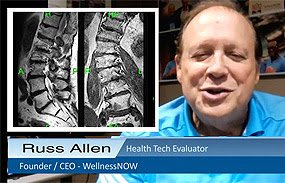
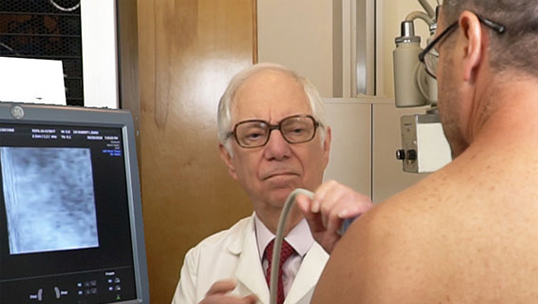
Russ saw me with a severe scoliotic curve to the spine including lordotic upper spine changes and an abnormal MRI scan report. However, in spite of the markedly abnormal mid and upper disc disease, his pin point pain was in the right hip posterior region which he delineated with his forefinger. Ultrasound imaging is a dynamic and patient inclusive examination. After I did my preliminary scan Russ took the probe and placed the probe over the painful area. The normal gluteus muscle is light gray but the right buttock muscular tissue was dark gray where he held the transducer. As he rotated the hip the bone appeared intact in real time motion without evidence spur or arthritis but the sacroiliac joint at that level was irregular. 

Ultrasound uses Doppler blood flow sonography that measures vascular activity that is elevated in inflammatory states. The image showed four times the normal vessels supplying a non inflamed joint and the 3D/4D quantitative image of the hemodynamic activity confirmed moderate neovascularity in the region. This type of inflammation is also called “inflammatory spondylitis” originally described in the radiology journals and rheumatology literature in 2010. This is a critical distinction categorized under the heading of “arteritis” which is a diffuse disorder also affecting the blood vessels including the brain arteries and eye vasculature resembling Rheumatoid Arthritis in progressive clinical course. The 2021 International Inflammatory Skin Conference at the New York Academy of Medicine made the connection of inflammatory disease to heart disease and stroke and also to increased cancer risk. For example, the common skin disease psoriasis of the nail often develops into painful joint swelling and tendinitis. Rosacea of the nose is associated with inflammation of the eye. Gout with a painful toe may foreshadow the beginning of kidney disease or due to the body’s reaction to a high blood pressure medicine. 

In Russ’s case, since spondylitis is associated with iritis (inflammatory involvement of the iris), we were able to check his cornea, lens, iris and retina. Russ’s story opens up a global look at medicine because an ophthalmologist will not likely consider back pain as a related issue to eye pathology. A dermatologist may miss the connection of the typicial “butterfly” rash of the collagen disease “lupus” to an increased likelihood of stroke or cancer. A pulmonologist could study the acute shortness of breath in a patient just landing from a long flight whereas the cardiologist will check for pulmonary emboli in a heartbeat.

Ultrasound is non invasive, portable in some cases, real time and shows functional changes as far as abnormal structure (bone fracture vs sprain) and altered hemodynamic such as cancer vessels supplying an aggressive melanoma or breast cancer.  Dynamic sonography of the joints is available without an MRI scanner and microcalcium (gout crystals) are visible in seconds that are invisible to most xrays and MRI scans (calcium stones appear black on MRI while showing bright white on sonograms. Point of care ultrasound (POCUS) is now used by the military to bring the diagnostics to the injured patient and at home use of this technology monitors COVID-19 patients avoiding hospitalization. 

Russ Allen (R) "reclaiming the best of life"
with family in active travels and sports

The compact size of new devices means that sterilization is fast and battery power assist allows greater portability as has been used in recent building collapses in Florida. Many statewide emergency services have adopted wireless transmission of ultrasound studies to the Trauma Center before the victim enters the hospital. In many cases, such as high school sports, an ankle sprain may be distinguished from a fracture by an experienced coach guided by a remote overreader to verify that the bone is intact and that the pain is due to a bruise type soft tissue injury. We often let the pediatric patients place the examining sonogram probe where they hurt most and copious amounts of ultrasound gel affords virtual non pressure contact on an injured eye that is swollen shut to check for retinal detachment.


A RETROSPECTIVE ON SMART-SENSE RESEARCH
By: Russ Allen (transcript from private interviews)

Thanks to the power of the almighty Google and rusted referrals, I was directed to Dr. Robert Bard  in NYC thanks to his countless articles, video seminars and blogs.   I was looking for a specialist who is passionate for doing what is least invasive and optimal for the patient. With Dr. Bard, I found a man who devoted his life to expanding his understanding of the latest invasive in medical technologies, always looking for at least invasive modality and is continually sharping as saw as a medical expert.  

The imaging that I've used to diagnose my conditions included ultrasound, MRI, and an x-ray, all of which give different insight into what's going on in my body. The benefits of the ultrasound are I'm able to see inflammation within the nerves and muscles of my body.  These would not be apparent in the MRI or an x-ray in the same way. The x-ray was able to dramatically show the curvature of my body. And the MRI is able to see the degradation of the ver vertebra in my back. The ultrasound is used on the most sensitive tissues in the most sensitive areas (including little babies inside their mothers).

I've gone over my ultrasounds with Dr. Bard-- specifically looking for solutions and medical treatment options. I found the whole field of ultrasound continues to evolve. We're at a stage now that there are things you can do with ultrasound that historically was not possible, and that will eclipse some more invasive methods to diagnose different conditions.  What I love about that unit is any nurse practitioner trained to use. I can take it to the emergency room, a community clinic, a senior center... and get a tremendous amount of usable clinical data right there in the moment that can change that person's life.


FROM THE MEDTECH SIDE
Leadership in the medical community is comprised of an array of difference makers.  Many have committed to the noble profession of providing direct patient care while others dedicate their lives to research and exploration.  And then there is that special breed of visionary whose best work is in pioneering new ground as technical innovators - reinventing the very future of protocols and  clinical strategies.  It is this type of healer that holds the unique ability to see beyond the current trends with the creative courage to risk, explore and pave new ventures.

Recent decades have abundantly shown the synergy between technology and medicine, together blazing new trails of problem solving for the human need to heal, recover and restore quality of life- all in the name of life extension. "In the case of Russ Allen, quality of life with chronic pain is greatly affected and it limits the ability to perform normal activities of daily living.  

With his new treatment protocol, he is able to improve his wellness, improve his health, and start living his optimal life. And being able to do that with wearable neuro stim allows him to improve in his exercise routine. It also motivated him to improve his nutrition. Wellness technologies like the AxioBionics BioBelt (tm) also allows him to sleep, which we have seen through numerous studies, is essential to recovery. If you're not sleeping, you're not going to recover or reduce pain from your injury", states Josh Schueller, PT. 


Copyright Notice: The materials provided on this website/web-based article are copyrighted and the intellectual property of the publishers/producers (The NY Cancer Resource Alliance/IntermediaWorx inc. and The AngioFoundation). It is provided publicly strictly for informational purposes within non-commercial use and not for purposes of resale, distribution, public display or performance. Unless otherwise indicated on this web based page, sharing, re-posting, re-publishing of this work is strictly prohibited without due permission from the publishers.  Also, certain content may be licensed from third-parties. The licenses for some of this Content may contain additional terms. When such Content licenses contain additional terms, we will make these terms available to you on those pages (which his incorporated herein by reference).The publishers/producers of this site and its contents such as videos, graphics, text, and other materials published are not intended to be a substitute for professional medical advice, diagnosis, or treatment. For any questions you may have regarding a medical condition, please always seek the advice of your physician or a qualified health provider. Do not postpone or disregard any professional medical advice over something you may have seen or read on this website. If you think you may have a medical emergency, call your doctor or 9-1-1 immediately.  This website does not support, endorse or recommend any specific products, tests, physicians, procedures, treatment opinions or other information that may be mentioned on this site. Referencing any content or information seen or published in this website or shared by other visitors of this website is solely at your own risk. The publishers/producers of this Internet web site reserves the right, at its sole discretion, to modify, disable access to, or discontinue, temporarily or permanently, all or any part of this Internet web site or any information contained thereon without liability or notice to you.

Tuesday, September 6, 2022

PREPARING ATHLETES FOR RACE DAY: CONDITIONING & PREVENTION

INTRODUCTION

Getting back into full swing of any competitive sports after a lengthy break can be a challenging adjustment, which calls for a re-aligning of the mind-body connection.  Let it be the global shut-in of the Covid-19 pandemic or a seasonal hiatus, an athlete who underwent any extended period of inaction from their training routine will require proper help in "getting back in the saddle".  As an athlete myself, I chose to specialize in sports medicine to support endurance athletes and active adults to live a long, happy life without extra trips to the doctor. 

To restore safe and healthy conditioning for any race, it's all about (first) making sure that they're 100% ready to train to the highest degree without having to take a step back or take a step to the side, because they're either dealing with aches and pains or because they're injured. Whenever somebody's working with me, I always like to make sure that they are getting a full, comprehensive evaluation. More than just reviewing their past medical history or their past wellness history, I also review the past races they've done and the kind of sports they have done in their past.  I assess how they move, where they move and if they need some improvement in that ability to function. 


PERSONALIZED ASSESSMENT

We start with a preliminary evaluation and getting a full breakdown on how the athlete currently moves.  With a series of test activities, I observe and record their strength level for the sport they wish to compete.  This includes their stability and power to perform and endure specific activities within that type of race or a sport. For example, if I'm working with a soccer player, it's different than working  with a triathlete.  Everybody needs a different amount of power output, speed or mechanics- depending on what kind of activity or even the distance of race that they're doing. 


EVERYBODY NEEDS DIFFERENT KIND OF TRAINING

Coming into the season, it is not uncommon to find athletes to lack strength to safely endure a full race.   Whether you're doing a sprint triathlon and olympic triathlon, or even the half and full iron man distances, I make sure that I'm assessing an athlete to THEIR specific individual needs.  Race training  and conditioning is about PERSONALIZATION; gauge their BMI and regard their specific physiology to match their training.  Athletes want to get faster and be able to push harder- but depending on their body type or specific shape, there are different gaps in how they perform. It is the body type that appears congruent to how they produce power output and speed. 

I find that a lot of things break down either in one or two categories; there's either something lacking in their feet or their hips where they're either having decreased stability or they're having inadequate activation in their foot. And because of that, it's altering the way they're pushing off when they're running or the way that they're putting appropriate power into their pedal (when they're cycling).  This creates an inefficiency and therefore decreasing the power output and an overall decrease in speed over the course of a race. If you're ever thinking about how many steps that you're taking during a 5k or 10K half marathon, and how many cycles you're going through every minute in cycling races, you're missing a lot of things that could be cleaned up by just seeing a physical therapist that is specializing in what you personally do.


PREPARATION AND PREVENTION, NOT JUST REPAIR!

Seeing a physical therapist is so much more than just healing you from pain. A PT that specializes in endurance athletes, triathletes, runners, cyclists or swimmers can help improve your performance overall while you're still trying to compete and trying to work towards your new goals.  The benefit of seeing a physical therapist in addition to having a coach can help with your training. We often work together with coaches to make sure you have the best of both worlds. For those aches and pains or injuries, we're there as the athlete's pit crew (just like NASCAR) to "change your tires and change your oil". We're here to make sure that they stay healthy while we're working on improving performance.


SPOTTING GAPS IN PERFORMANCE

From amateurs to elite athletes, my work is in trying to find those little gaps in their performance.  I observe their running form (oftentimes using video to monitor this). I'm always looking at all views- from the front view, side view and back view- to see if there's anything that could be breaking down your form that could lead to a potential injury or an issue with your performance. I'm always looking afterwards with the video. Observing what's going on the knee for anything that could be affecting your from the time that you make contact with the ground all the way up to the top of your shoulders in the top of your head.  From here, we create a personalized and comprehensive plan for race day.

For cyclists, I observe their cycling form and I assess areas that need work- including gaps in their stability, their strength or their power.  We work on specific activities like a lateral bear walk with the weight pull through, or we can do a walking lens with the weight overhead to work a little bit on leg strength while working on core stability. And then we can also work a little bit more on power by doing these accelerations of power jumps while going off of a step in order to make sure that you are getting those gaps filled and making sure that you're getting to the maximum performance that you possibly can.


THE RIGHT TIME FOR TRAINING

Some of my clients train ahead of time during the winter season is going to be enough for them when they go on for their first race. Others begin training shortly before their next race or even in the middle of racing season.  Breakdown can happen any time. I usually have my athletes train as much as possible without irritating anything that's still irritated. Also,  continuing to work with them in order to improve their performance and improve that achiness or pain that they're dealing with so that they can continue racing and they continue training without having to stop.


AND THEN THERE'S SLEEP

I'm always a big believer in not stopping unless we absolutely have to.  At the same time, I always like to redirect what your training is, so that you're able to continue getting some benefit from what you're doing without having to completely shut down. When prepping for your races, make sure that you're not only consulting your trusted specialist for your endurance training, but also making sure that you're getting enough SLEEP. That means the recommended six to eight hours- making sure you're keeping your stress level in check; making sure that you're not forgetting your strength and getting in your flexibility and mobility on top of your training. I know that can be very difficult, but it is very necessary for all of those things. And if you are getting ready for race day, make sure that you're doing the appropriate (and enough) training. And if you're not sure, make sure you ask me.


Thursday, August 25, 2022

BRAIN HEALTH SERIES (Part 2): CONCUSSION EXPLAINED

Written by: Dr. Roberta Kline

Traumatic brain injuries can contribute to both short-term and long-term issues with cognitive function, but they can also impact emotional and physical health beyond the brain itself. While much of the research to date has focused on more severe forms of traumatic brain injury, it is now expanding to evaluate concussions. 

Writing this article reminded me that I, too, am part of this story. I had two episodes of concussion in my teens and early twenties, neither related to sports: one from a fall where I hit my head, another from a car accident that resulted in whiplash. In both of those cases, I was just told to rest until my head stopped hurting and then resume normal activity. Fortunately, I recovered without any long-term issues. In the decades since then, our understanding of head injuries has greatly expanded, prompting innovations in both diagnosis and treatment.


Concussions are viewed as a mild form of traumatic brain injuries and most frequently occur following an event that involves an acceleration–deceleration mechanism without actual injury to the head, such as whiplash, or the head striking an object. As we study these, researchers and clinicians are learning that these are fairly common, but often underdiagnosed. 

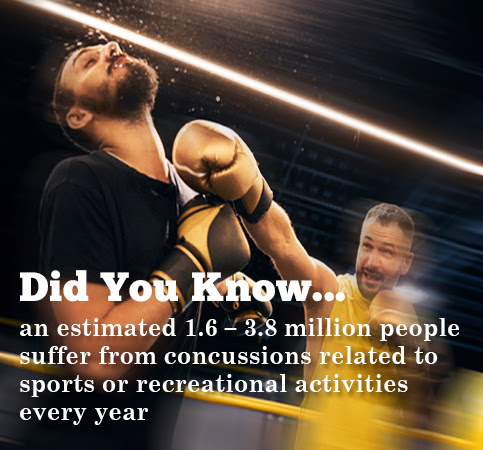
According to the CDC, an estimated 1.6 – 3.8 million people suffer from concussions related to sports or recreational activities every year. A National Health Interview Survey in 2020 found that 6.8% of children aged 17 years and under had ever had symptoms of concussion, while only 3.9% had ever been diagnosed. [1] There is also good evidence to suggest that an athlete who has had one concussion is also more likely to suffer from multiple concussions and suffer long-term consequences. [2] Not all head injuries occur in athletes, but these are the most studied.

While the vast majority of people with concussions recover without obvious disability, people can end up with long-term cognitive, emotional and functional issues affecting quality of life – including memory issues and Alzheimer’s disease. [3] Efforts to better predict outcome from head injuries by focusing on the age, sex, type of injury and acute assessments have led to some improvement, but still fail to predict or explain the variation in healing and outcomes. 

Studies in professional athletes have shown that about 80–90% are sufficiently recovered to return to playing within 7–10 days. But that means that 10-20% are not, and their recovery can take up to 3 times longer. Even taking into account variations in initial injury, this variation is difficult to explain or predict. [4]


DNA RESEARCH LINKS TO INJURY & HEALING RESPONSE

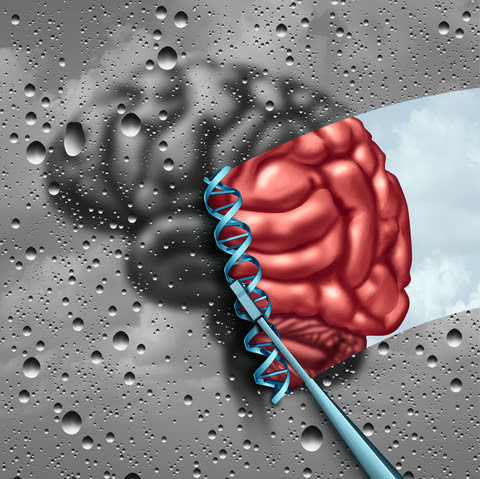
Brain injury is broken down into two phases: a primary phase and a secondary phase. The primary phase is the result of the physical or mechanical forces on the brain causing direct injury. The secondary phase involves the brain’s response to the injury – a complex interplay of multiple biological systems including immune, vascular, neuroendocrine, neurotransmitters, neuroplasticity and even mitochondria and epigenetics. [3] In concussions, it is typically this secondary phase that plays a major role in how well an individual responds and recovers – both in time and function.

DNA is the genetic code that is the blueprint for everything that goes on in our bodies. Genomics is the study of how small changes in our DNA affect how our bodies function. [See feat. on Genomics testing] Research, primarily focused on combat veterans and athletes so far, has shown that these small variations in our DNA may account for at least some of why some people respond to and recover from traumatic brain injury better than others. 

The APOE gene plays many roles, including immune response and neuroplasticity. Carriers of the APOE4 gene can be predisposed to worse outcomes after traumatic brain injuries, especially if they are moderate or severe, or there are multiple concussions. While the APOE gene is the most widely studied, there are now over a dozen others that have been identified. Variants in other genes involved in the inflammatory response, blood flow, DNA repair, neuroplasticity, learning and memory are also implicated, including TNF alpha, IL1, IL6, NOS3, ACE, COMT, NMDA receptors, BDNF, KIBRA, MAPT, PARP, MME, SLC17A7, GRIN2A.  Because there are hundreds of genes impacting all of these biological systems, it is likely that there are many to be still evaluated, and outcomes are the result of the interaction of multiple genes.

As genomics contributes to our understanding of how and why individuals can vary greatly in their ability to recover from traumatic brain injuries, it is paving the way for more personalized prevention and treatment strategies for concussions. Having accessible and noninvasive technologies to provide evaluation of brain injury and ongoing recovery will be a key part of this progress.


References: (1) https://www.cdc.gov/traumaticbraininjury/concussion/index.html (2) McCrory et al. Consensus statement on concussion in sport—the 5th international conference on concussion in sport held in Berlin, October 2016. Br J Sports Med 2017;0:1–10.  (3) Bennett et al. Chapter 9: Genetic Influences in Traumatic Brain Injury, in Laskowitz D, Grant G editors. Translational Research in Traumatic Brain Injury. CRC Press/Taylor and Francis Group 2016. (4) Jane McDevitt & Evgeny Krynetskiy. Genetic findings in sport-related concussions: potential for individualized medicine? Concussion 2017; 2(1)


ROBERTA KLINE, MD (Educational Dir. /Women's Diagnostic Group)
Dr. Kline is a board-certified ObGyn physician, Integrative Personalized Medicine expert, consultant, author, and educator whose mission is to change how we approach health and deliver healthcare. She helped to create the Integrative & Functional Medicine program for a family practice residency, has consulted with Sodexo to implement the first personalized nutrition menu for healthcare facilities, and serves as Education Director for several organizations including the Women’s Diagnostic Health Network, Mommies on a Mission. Learn more at https://robertaklinemd.com/


Other recent articles by Dr. Kline:


RECOVERY TIME AND CONTINUED MONITORING OF CONCUSSION PATIENTS 
"It is imperative to constantly monitor progress of any concussion sufferer and it should be guided by current, objective testing and quantitative data", states Dr. Alex Gometz of Founder Concussion Management of New York.  "You cannot rely purely only on symptoms to determine if the patient is getting better.  Overall, people with a history of concussions, are more vulnerable to greater damage during future concussions. They tend to be more sensitive to lower amounts of pressure, causing similar symptoms". 

In the care of concussion cases, Dr. Gometz highlights one caveat;  A player with a history of a single concussion that has fully recovered (as indicated by symptoms as well as quantitative data from specific tests) can be considered to be on equal footing with players with NO history of concussion.  This comparison is based on the level of vulnerability to future injuries. Studies show that full recovery from a single concussion is effective at helping players bounce back to fairly equal health as they were prior. Players with a history of concussion without full recovery do not enjoy this benefit and a future concussion can happen with less amount of force, making them more vulnerable. 

Observing the common pattern in sports teams, athletes seem to return to the game sooner than non-pros. That may be due to the pressure from the organization and the player’s own drive to continue playing.  This premature return contributes to setting premature standards that are clearly inadequate and potentially unrealistic.  Standards need to include specific quantitative measures so that each player can demonstrate objective improvement. Schools should make sure their protocols are safe and reviewed by a medical board with proper steps and safeguards instead of copying other institutions’ protocols, following professional accountability.


CONCUSSION & PCS (Post-Concussive Symptoms)
Board Certified Chiropractic Neurologist

Imagine
 a 3 pound ball of jello.  Now fill that ball with 86 billion tiny wires, each of which has 10,000 interconnections.  Now imagine another 86 billion cells supporting those wires, all of which are surrounded by chemical messengers that help with the communication.  This incredibly complex ball of jello sits inside of a sealed metal can. Now smash the can on the ground…this is a concussion.

The majority of head traumas are considered ‘mild’ or mTBI.  However, there is no such thing as a mild concussion in my mind.  The assessment of these injuries has been poor for decades and at this point is only slightly better than that.  A neurocognitive on field evaluation or bedside exam followed by a CT scan to evaluate brain structure. The vast majority of these cases have no abnormal imaging studies, but people are left with ongoing functional neurological changes.  With every concussion, there is a moment of rotation that disrupts brainstem and cervical spine function as well, but this is rarely imaged or assessed.

Up to 30% of people with mTBI have Post-Concussion Syndrome where symptoms of headache, dizziness, dysautonomia, imbalance, visual tracking problems, cognitive impairment and anxiety and depression become part of everyday life.  Traditional neurologists and psychologists do their best to help patients manage symptoms, but they have no available targeted therapy to address all of the issues that these patients experience.

There are three main areas that become altered after a concussion; the brainstem, the gut and the cervical spine.

THE BRAINSTEM
This region is below the cortex and houses all of the incoming and outgoing communication from the brain to the body and back.  It also contains 10 pair of cranial nerves that control eye movement, balance, facial sensation and muscle control as well as the entire parasympathetic nervous system.   One of the first things that happens following a concussion is a disconnection of head-eye movement dynamics mediated by a reflex called the VOR.  A thorough look at the nuances in cranial nerve testing as well as motor control and tone, saccadic eye movement (along with pursuits and vergence), VOR, balance and regulatory controls allows a trained clinician to triangulate the specific area of insult and create a neurotherapy plan to remediate it.

THE GUT 
Studies have shown that within hours of a head trauma, the gut lining becomes porous and we develop a leaky gut. This leads to large diameter proteins making their way into the bloodstream, creating an altered immune state.  Bacterial dysbiosis, a common imbalance in the microbiome, compounded by this increase in intestinal permeability can impair neurogenesis.  

THE CERVICAL SPINE 
A series of seven small vertebrae in the neck that house the upper spinal cord maintain the weight of the head.  The muscular, cartilaginous and ligamentous structures in this region are central to neurological control as they are laden with sensory receptors.  These muscle spindles and mechanoreceptors become altered after TBI due to a change in mechanical function of the joints holding the vertebrae together.  There have been studies that show that this mechanical dysfunction alone is enough to create and recreate concussion symptoms.

Since this is now a functional neurological syndrome, a trained functional neurologist is the go to provider to help remediate the problems.  A careful assessment of brainstem, gut and cervical spine function, followed by a care plan to remediate each of these areas generally leads to significant if not complete resolution of the problems.


DR. MICHAEL GRUTTADAURIA is a Board Certified Chiropractic Neurologist and Professional Biohacker. He manages a private practice in Huntington, NY, treating people with chronic health conditions from early Alzheimer's Disease, IBS, neck/back pain, anxiety/depression, dizziness, vertigo, migraines and concussion/PCS. "Dr. Mike" uses functional neurological examination and advanced testing to evaluate the body, brain and brainstem to develop strategies to rehabilitate most chronic neurological conditions. He applies interventions including functional neuro rehab, balance training, eye movement rehabilitation, chiropractic adjustments and functional nutrition.  www.TheOptimumU.com


COLLECTING QUANTITATIVE DATA THROUGH SCANNING OF THE OPTIC NERVE FOR COGNITIVE DISORDERS 

By: Robert L. Bard, MD 

Case studies with a presumptive degenerative neuromuscular disease or amyotrophic lateral sclerosis are now being examined through a non-invasive investigation of the eye.   We can observe increased intracranial pressure, which may reflect in changes in the optic nerve diameter.  [Fig. 1]  Scanning the eye (L) with a Doppler ultrasound probe shows the optic nerve diameter of five millimeters ®. And the right is almost eight millimeters. So we have a guide as to where the brain disease is more severe. At this point, we activate the blood flow function and look at the right eye and see that the blood flow from the anterior cerebral artery circulation that supplies the back of the eye is approximately 60 per second in the blood flow which corresponds to the graph on the bottom.  [Fig. 2] On the left eye. The same blood vessel shows a decreased pressure of approximately 45 as shown by the decreased height of the blood flow graph at the bottom. Once again, we have measurable diagnostic technologies that are noninvasive, so we can follow treatment in diseases that are affecting the eye and as it relates to brain and degenerative neuromuscular disorders.

Now that radiologists are using Doppler blood flow to examine eye disease, including systemic diseases (including Diabetes, Brain tumors, heart disease, sickle cell disease etc) that affect the eye, we are hopeful that the ophthalmologic and neurological communities will start using this noninvasive technology as well to improve noninvasive and more rapid treatment of potential eye disorders, such as cancers of the eye, diabetes and glaucoma.  Another future use will be to correlate the effect of decreased vascular pulsation in the production of cerebrospinal fluid that is removed by the cleansing glymphatic system is postulated as a contributing factor in degenerative neuromuscular disease.    


BLOOD FLOW STUDY 101:  Hemodynamics is defined as the study of blood flow in relation to the status of the circulatory system and homeostatic mechanisms of autoregulation.   Through the monitoring of blood flow, diagnostic analysis can provide many answers to the health and physiological status of the target area scanned as well as cell-level metabolism, the regulation of the pH, osmotic pressure and temperature of the whole body, and the protection from microbial and mechanical harm.   Assessing injuries, inflammation or mutative growths (like cancer tumors), assessment of blood flow provides diagnostic answers about the severity of tissue disorders or tumor malignancy.

** ALSO SEE DR. BARD'S ULTRASONIC REVIEW ON CONCUSSION AND COGNITIVE ASSESSMENT


July 19, 2022- IPHA NEWS conducted a private interview with the co-developers of NEUROVINE - a portable headband using EEG (electroencephalogram) technology to measure brain waves.  Meet CEO Ashleigh Kennedy, Ph.D., and CMO Matthew Kennedy, MD, MSc (co-founders of Neurovine) from Ottawa, Ontario, CA. who shares their objectives in support of concussion monitoring by measuring brain health as part of optimizing their recovery processNeurovine offers this portable interactive monitoring program for athletes, students, professionals and anyone undergoing mentally strenuous work by “alerting them to take brain breaks before an activity becomes too strenuous”.


PAIN 101: THE MIND-BODY CONNECTION  B
y: Josh T. Schueller
Pain is everywhere.  Billions of dollars are spent each year in the United States alone on pain treatments and remedies. Per the National Center for Health Statistics almost 60% are living with pain.  While most sufferers of pain want relief and answers, many medical professionals may be providing inefficient or incorrect pain reliefs counters.  The “cookie cutter” approach for pain over the last several decades has left the world in a pain crisis.  One of the main reasons why- the current treatment model does not do an adequate job in categorizing pain.   Pain falls under different categories.  Most people do not understand that the type of pain you have directly correlates the type of treatment given.  Personalized medicine in the treatment of pain holds the key to understanding the types of pain and developing the correct course of action to treat the pain.  


Disclaimer: MEDTECH REVIEWS* is a non-commercial user review of health-related technologies and is not intended as a marketing program for any device(s) featured in this video for evaluation. This presentation is for informational use only does not offer any direct medical claims whatsoever. Statements from all speakers herein are expressing their own unscripted views that do not reflect those of our producers.  Always seek the advice of your physician or other qualified health care provider with any questions you may have regarding a medical condition or treatment.


Copyright Notice: The materials provided on this website/web-based article are copyrighted and the intellectual property of the publishers/producers (The NY Cancer Resource Alliance/IntermediaWorx inc. and The AngioFoundation). It is provided publicly strictly for informational purposes within non-commercial use and not for purposes of resale, distribution, public display or performance. Unless otherwise indicated on this web based page, sharing, re-posting, re-publishing of this work is strictly prohibited without due permission from the publishers.  Also, certain content may be licensed from third-parties. The licenses for some of this Content may contain additional terms. When such Content licenses contain additional terms, we will make these terms available to you on those pages (which his incorporated herein by reference).The publishers/producers of this site and its contents such as videos, graphics, text, and other materials published are not intended to be a substitute for professional medical advice, diagnosis, or treatment. For any questions you may have regarding a medical condition, please always seek the advice of your physician or a qualified health provider. Do not postpone or disregard any professional medical advice over something you may have seen or read on this website. If you think you may have a medical emergency, call your doctor or 9-1-1 immediately.  This website does not support, endorse or recommend any specific products, tests, physicians, procedures, treatment opinions or other information that may be mentioned on this site. Referencing any content or information seen or published in this website or shared by other visitors of this website is solely at your own risk. The publishers/producers of this Internet web site reserves the right, at its sole discretion, to modify, disable access to, or discontinue, temporarily or permanently, all or any part of this Internet web site or any information contained thereon without liability or notice to you.

 Reframing Midlife Through Self-Awareness, Adaptation, and Whole-Person Health By: Bobbi Kline, MD One of the greatest misconceptions surrou...